
Why School Counselling Matters: The Case for Every School
Every school needs a qualified counsellor — not as a luxury, but as core infrastructure. Why, and what a strong programme looks like.

On this page
- The scale of the need
- What a school counsellor actually does
- Evidence of impact
- The economic case
- What a strong programme looks like
- Three-tier model
- Adequate ratios
- Clear referral pathways
- Confidentiality with clear limits
- Data and accountability
- Building a programme with limited resources
- The relationship with teachers
- Common myths
- Parent expectations
- Key Takeaways
- Frequently Asked Questions
- What qualifications should a school counsellor have?
- How is counselling different from therapy?
- What about confidentiality?
- Should teachers do counselling?
- Conclusion
Why School Counselling Matters: The Case for Every School
A school without a qualified counsellor is missing part of its foundation. Mental health support is not an extra — it is core infrastructure, on par with libraries and labs.
The scale of the need
- The WHO estimates half of all lifetime mental health conditions begin by age 14.
- One in seven adolescents globally experiences a mental disorder.
- Suicide is the fourth leading cause of death for 15–29-year-olds.
Schools reach children where they already are.
What a school counsellor actually does
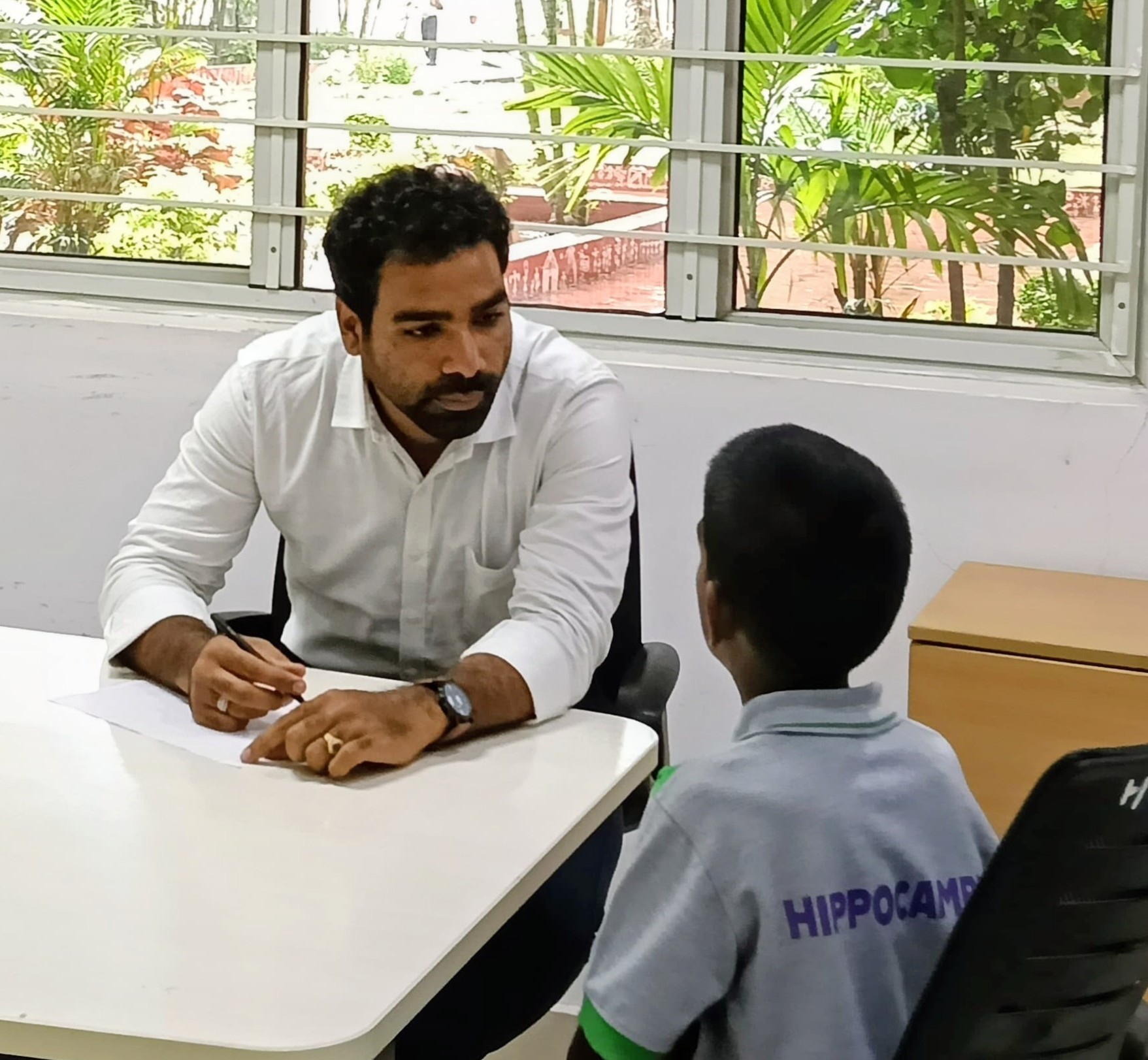
- Individual support for students with difficulties.
- Crisis response — self-harm, abuse disclosure.
- Group interventions — anxiety groups, transition support.
- Universal wellbeing programmes.
- Teacher and parent consultation.
- Coordination with external clinicians.
- Safeguarding and referral.
Evidence of impact
- Schools with a full-time counsellor report lower behavioural incidents and higher attendance.
- Universal school-based mental health programmes show small-to-moderate positive effects.
- Early intervention prevents up to 50% of adolescent difficulties from persisting into adulthood.
The economic case
Every unit invested returns several units in reduced healthcare, social service, and justice costs later.
What a strong programme looks like
Three-tier model
| Tier | Population | Examples |
|---|---|---|
| Universal | All students | Wellbeing curriculum |
| Targeted | Higher risk | Anxiety groups, transition support |
| Intensive | Acute needs | Individual counselling, safety planning |
Adequate ratios
The ISCA recommends 1 counsellor per 250 students.
Clear referral pathways
Any teacher, parent, or student can refer. Response within 5 working days; same-day for urgent.
Confidentiality with clear limits
Students know what is private and what must be shared.
Data and accountability
Track aggregate outcomes while protecting privacy.
Building a programme with limited resources
- Designate a lead — a trained teacher with protected time.
- Partner with a licensed psychologist part-time.
- Train all staff in mental health first aid.
- Build referral partnerships.
- Implement one universal programme.
- Publish the pathway.
The relationship with teachers
Counsellors don't replace warm, noticing teachers — they are the specialist layer above universal work.
Common myths
| Myth | Reality |
|---|---|
| Counselling creates dependency. | Well-run counselling builds lifelong coping skills. |
| Talking about mental health causes it. | Silence worsens outcomes. |
| Only 'troubled' schools need this. | Every school has students in silent difficulty. |
| Counselling replaces discipline. | Restorative and clinical supports complement boundaries. |
Parent expectations
Parents can and should ask:
- Is there a qualified counsellor, and what is the ratio?
- How does the school respond to a mental health concern?
- What is the safeguarding policy?
- How is confidentiality handled?
Key Takeaways
- Half of lifetime mental health conditions start by 14.
- Counsellors' work is far broader than crisis response.
- Strong programmes are three-tiered.
- Evidence and economics both back the investment.
- Phased plans can transform outcomes even with modest resources.
Frequently Asked Questions
What qualifications should a school counsellor have?
A master's-level qualification in counselling, clinical or educational psychology, with registration and supervision.
How is counselling different from therapy?
School counselling is short-term and focused on functioning in the school context.
What about confidentiality?
Private except where there is risk of harm, disclosure of abuse, or legal requirement — clearly explained at the start.
Should teachers do counselling?
No — teachers offer warm noticing and refer. Counselling requires specific clinical training.
Conclusion
School counselling is core educational infrastructure. Every school leader should be asking not whether to invest, but how quickly.
Irshad Mahammad
Founder, TherapickMind · Consultant Psychologist · Assistant Professor of Psychology
Irshad Mahammad is a Consultant Psychologist and Founder of TherapickMind, dedicated to improving student wellbeing through evidence-based psychological services, school mental health programs, counselling and psychological assessments. His work supports schools through early identification, student wellbeing initiatives, Individualized Education Plans (IEPs), teacher training and evidence-based interventions.
Ready to build a healthier, more supportive school?
Discover how TherapickMind School Connect helps schools manage screenings, interventions, student wellbeing, IEPs and professional reporting from one secure platform.
Related articles
Screening only creates value when it is tied to capacity, consent and follow-up. A step-by-step operational blueprint for school leaders introducing universal wellbeing screening.
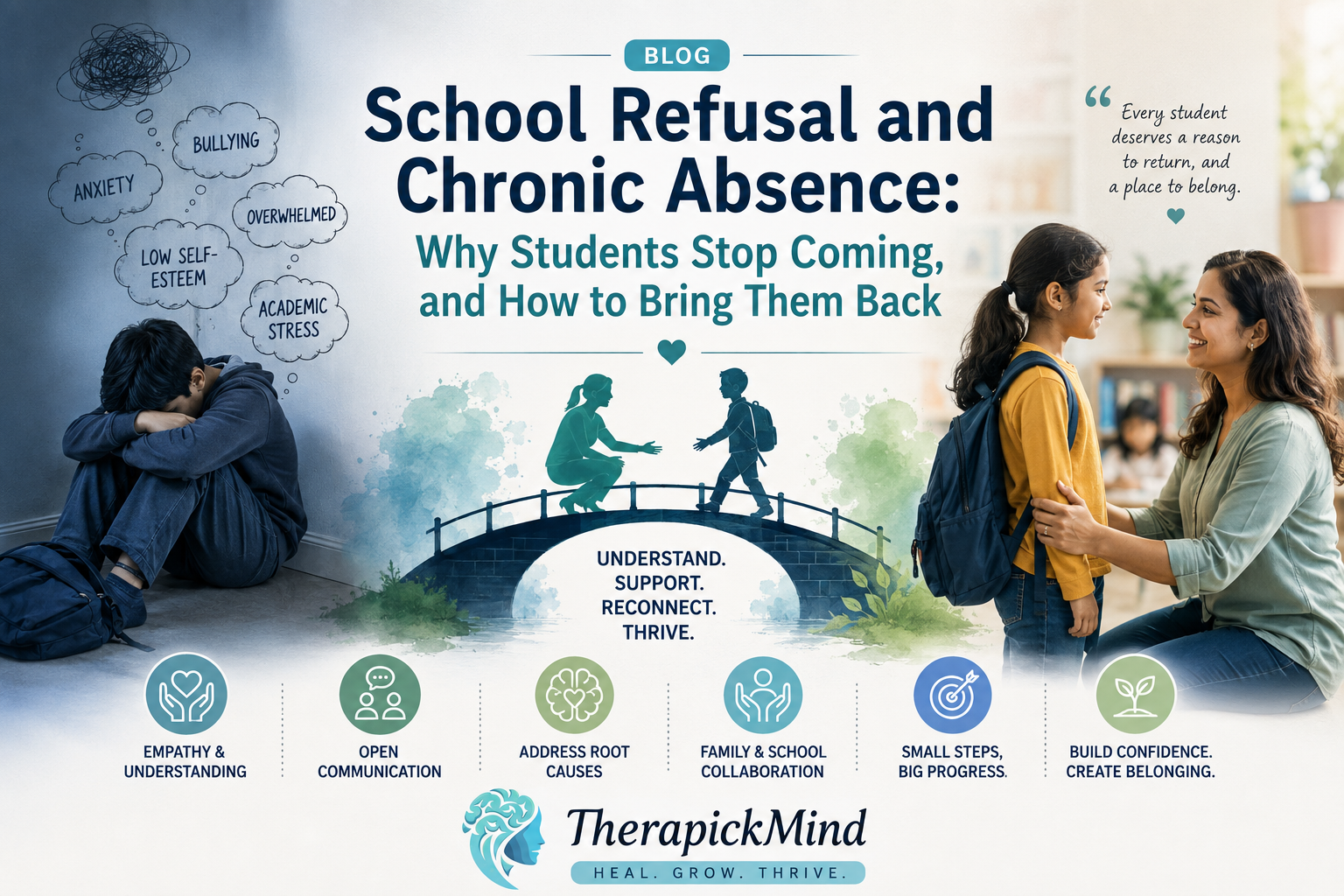
Chronic absence is rarely about laziness. A diagnostic framework for schools and parents to identify the real driver behind non-attendance and build a graded return plan that holds.